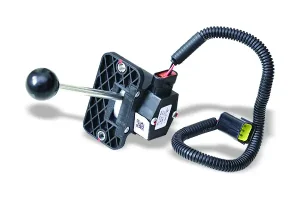
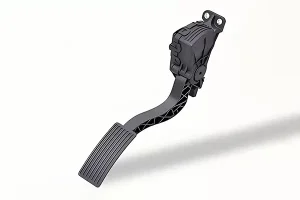
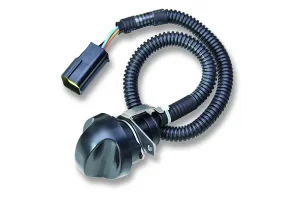
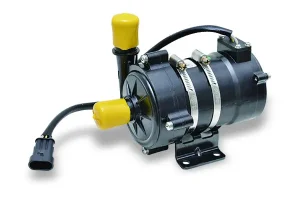
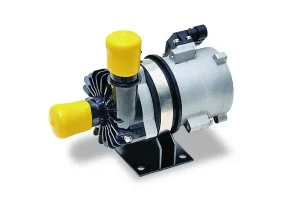
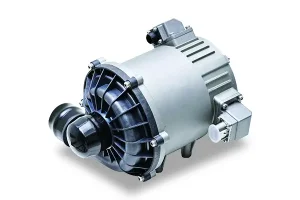
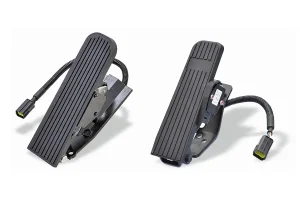
The global automotive landscape is undergoing a paradigm shift, transitioning from traditional internal combustion engines to sophisticated electric vehicle (EV) architectures. In this ecosystem, the "Pedal Truck"—often referring to high-performance, durable accelerator pedal systems used in industrial trucks, forklifts, and heavy-duty EVs—has become a critical component. Modern pedal systems are no longer simple mechanical linkages; they are high-precision electronic sensors that interface directly with the vehicle's ECU.
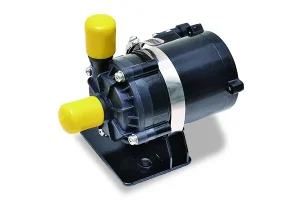
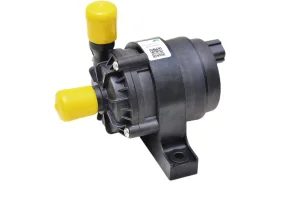
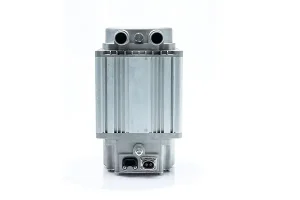
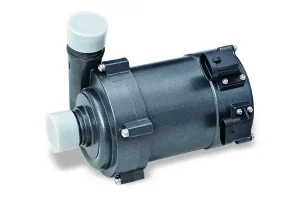
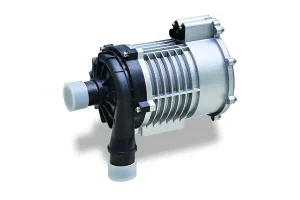
China has solidified its position as the global hub for component manufacturing, particularly in the automotive EV sector. By leveraging "Supply Chain 4.0"—characterized by full-automatic SMT production, rigorous ISO/TS16949 quality management, and vertical integration—Chinese manufacturers provide a unique combination of cost-efficiency and technical reliability. Our facilities, spanning over 35,000 square meters, integrate R&D with mass production, allowing for the rapid scaling of electronic throttle pedals and high-efficiency water pumps that meet both domestic and international compliance standards.
Annual Export Value
Years of Experience
Invention Patents
Countries Serviced
One of the primary differentiators for our pedal systems is the application of non-contact Hall Effect sensing technology. Unlike traditional potentiometers that suffer from mechanical wear, Hall effect sensors utilize magnetic field changes to determine pedal position. This results in:
In electric trucks, the accelerator pedal is the primary input for the motor controller. A signal error can lead to erratic acceleration or, in safety-critical situations, a total loss of power. Our high-redundancy sensors ensure signal integrity.
By adhering to German-standard (ISO/TS16949) quality control, we implement full-process testing. Every pedal and pump undergoes load testing, heat cycling, and electromagnetic compatibility (EMC) verification before leaving the facility.
Yes. Our "New Energy Vehicle Engineering Standard Laboratory" works directly with clients to adapt standard pedal models to specific chassis requirements, including mounting angles, electrical resistance outputs, and connector types.
 ANHAN TRADE